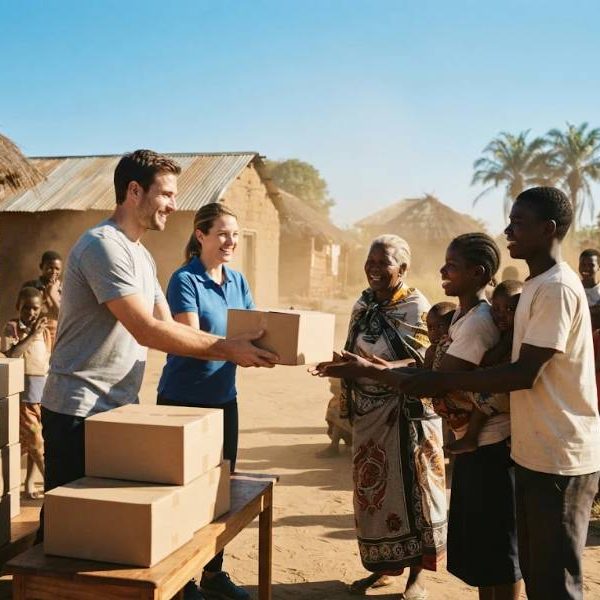
How Aid Groups Reach Communities in Their Own Language
- May 21, 2022· Article by Beth Smith
- Jurisprudence , Swahili translation services
Money, food and medicine are the visible parts of aid. Communication is the invisible part, and it often decides whether help arrives where it should. A vaccination campaign explained only in an official language may miss villages that speak another. A cash transfer program described with unfamiliar terms may be mistrusted or misunderstood.
Groups working in Africa, Eastern Europe and other regions increasingly treat language as a core part of programme design, not an afterthought.
Why Language Shapes Outcomes
In many countries, the official language is not the first language of most residents. Hundreds of languages are spoken across the African continent, and people frequently use two or three in daily life. When aid messages come in a language people understand only partially, errors multiply. Eligibility rules are misread, instructions for health treatments are ignored and complaints never reach the right office.
People trust help that speaks to them in their own words. Trust, in turn, determines whether they come forward, ask questions and take part.
Listening Before Speaking
Effective programmes begin with community consultation. Teams meet leaders, women's groups, youth representatives and people with disabilities, and ask which languages and formats they prefer. Some communities favour radio, others rely on market gatherings or text messages. Literacy rates matter too, so written leaflets may need to be replaced by pictures, audio and demonstrations.
Organisations such as UNICEF publish guidance on communicating with communities, including participation, feedback mechanisms and the use of local languages in child focused services.
Choosing the Right Languages
A language survey helps prioritise. List the languages used in each target area, estimate how many people speak them and note which are written. Cover the largest groups first, then add smaller ones as capacity grows. In East Africa, for example, Swahili serves as a bridge across many borders, and professional Swahili translation services can help organisations prepare reliable materials for programs in the region.
Translators, Not Just Volunteers
Bilingual volunteers are generous and useful, but critical messages deserve professional handling. A mistranslated dosage instruction or eligibility rule can cause real harm. Use trained translators for health, legal and financial content, and ask community members to review the results for clarity and tone.
Documents for Migration and Resettlement
Many aid organisations support people who need documents for migration, family reunification and study. Authorities usually require certified translations with specific wording, so caseworkers should know the standards. This overview of UK visa translation shows the sort of requirements a typical application involves.
Feedback and Complaint Channels
Accountability depends on feedback. Hotlines, suggestion boxes and community meetings must work in local languages, and staff should respond quickly. Track the topics that appear most often, share summaries with the community and show what changed as a result. A feedback system that is never answered is worse than none.
Radio, Mobile and Visual Tools
Radio remains one of the most effective ways to reach rural audiences. Short programmes in local languages can explain nutrition, hygiene, schooling and registration. Mobile phones add new options, such as voice messages, USSD menus and chat services. Illustrated posters and community theatre reach people who cannot read, and they make complex ideas memorable.
Working With Local Partners
Local organisations know the terrain, the dialects and the people. Partnering with them improves access and builds capacity that remains after a project ends. Offer training in interpreting, translation and community engagement, and pay local professionals fairly. Over time, a network of skilled language workers becomes one of the most lasting benefits of a programme.
Protecting Privacy and Safety
Personal data collected during registration, such as names, addresses and health details, must be protected. Explain in plain language how data is used and who can see it. In sensitive contexts, interpreters should follow clear confidentiality rules, and community members should never be asked to translate for their own neighbours on private matters.
Cultural Sensitivity
Words carry cultural weight. A term that sounds neutral in one language may carry stigma in another, especially around health, gender or disability. Local reviewers can identify problematic wording before it causes offence. Respectful images and examples also matter, since pictures of people and customs should reflect local reality.
Case Example From the Field
Consider a school feeding programme that planned its announcements in the national language only. Attendance at registration was low in remote villages. After the team recorded short audio messages in three local languages and played them on market days, registration rose sharply within a month. The food and the budget stayed the same. Only the language changed.
Funding and Planning
Include translation and interpretation in every budget from the start. Donors increasingly expect it, and the cost is small compared with the total programme. Plan for updates as well, since rules and programmes change and materials must change with them.
Measuring Impact
Track how many people received information in their language, whether they understood it and whether uptake improved. Short surveys after distributions or clinic visits reveal gaps quickly. Share lessons with partner organisations so that good practice spreads.
Looking Ahead
Language access is not a luxury for aid work. It is a basic condition for dignity, safety and effectiveness. Groups that invest in it earn trust, reduce waste and reach the people they exist to serve.